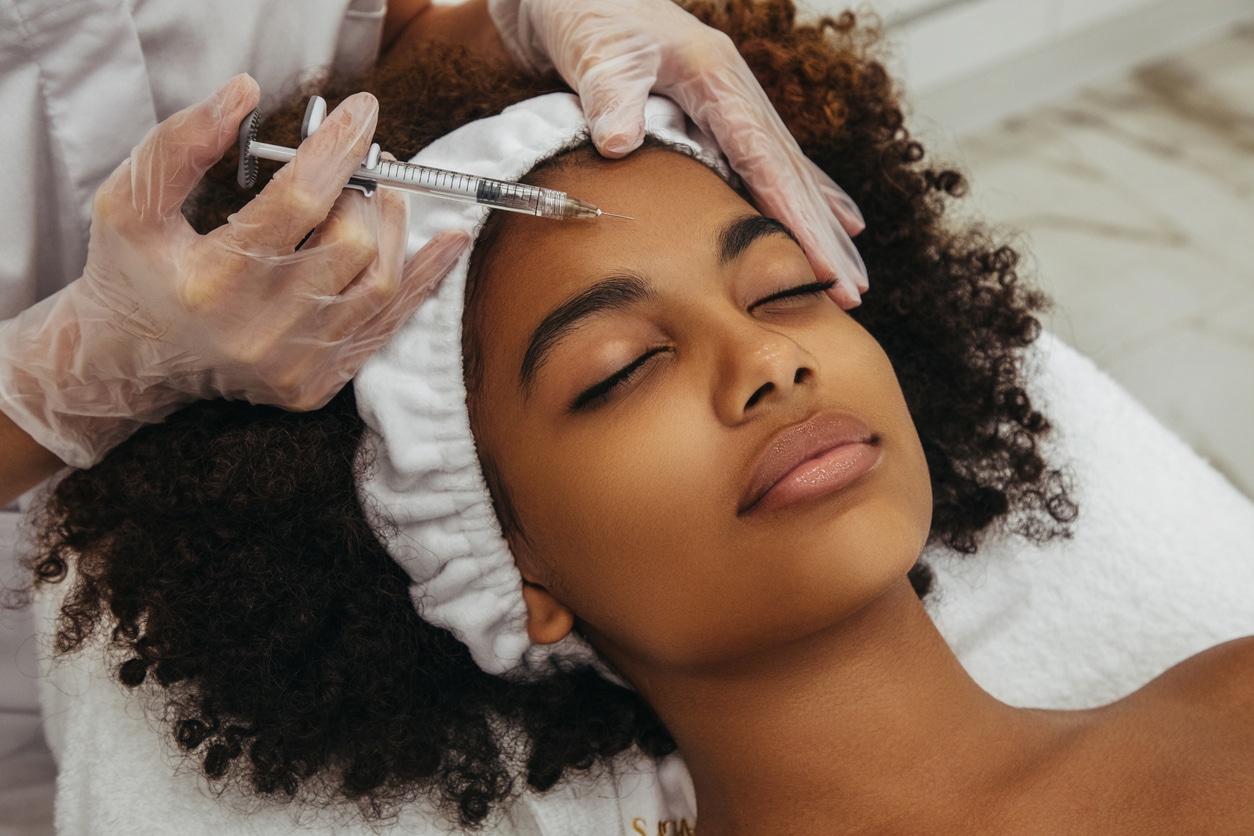
Changes in facial fullness can make the cheeks look flatter, create shadows beneath the eyes, or alter the balance of the temples and jawline. Patients in Cleveland and Westlake can explore both facial fat grafting and injectable fillers at Ohio Clinic for Aesthetic and Plastic Surgery. Michael H. Wojtanowski, MD, FACS is certified by the American Board of Plastic Surgery and has more than three decades of experience in aesthetic plastic surgery.
How Facial Fat Grafting Works
Fat grafting restores fullness with tissue taken from your own body. A small amount of fat is removed from an area such as the abdomen, thighs, or flanks, purified, and carefully placed in selected parts of the face.
This approach can be used beneath the eyes and along the cheeks, temples, jawline, or lips. Because the procedure includes both fat removal and transfer, recovery is longer than it is after an injection appointment. Swelling and bruising can last one to two weeks.
The body naturally reabsorbs some of the transferred fat. The portion that successfully integrates can provide lasting fullness, though individual results vary.
How Dermal Fillers Differ
Dermal fillers restore shape without collecting tissue from another part of the body. Products such as JUVÉDERM® and Restylane® contain hyaluronic acid, a substance found naturally in the skin.
Injections are performed in the office, and the added fullness is generally visible soon afterward. Most patients return to their regular routine with little interruption.
The product selected depends partly on the area being treated. Certain formulations are used for the lips, cheeks, facial folds, chin, or jawline. VOLUMA®, for example, is used in the cheeks and midface. Because fillers are temporary, follow-up appointments are needed to maintain the effect.
Which Approach Better Matches Your Priorities?
Patients who prefer using their own tissue and are comfortable with surgery and a longer recovery may lean toward fat grafting. It can also be considered when several areas need additional fullness.
Fillers are often easier to fit into a busy schedule because they do not require surgery and usually involve limited downtime. They also give patients greater flexibility to adjust their results over time.
Loss of fullness is not the only change that can affect the face. When loose or sagging tissue is the primary concern, procedures such as a facelift may be more relevant. We consider your facial structure, the areas that have changed, and how much recovery or future maintenance you are comfortable with before recommending an approach.
Compare Facial Rejuvenation Options in Westlake
The right choice depends on your anatomy, goals, and preferences rather than a single treatment being best for everyone. To discuss fat grafting and dermal fillers with our team at Ohio Clinic for Aesthetic and Plastic Surgery, schedule a consultation in Westlake, OH, by calling 440-808-9315.